
How Napa Valley’s Microclimates Shape Each Vintage
One of the most fascinating aspects of Napa Valley is the diversity of its microclimates.
Within a relatively small region, differences in elevation, proximity to water, and exposure to sunlight can dramatically influence how grapes grow and ripen.
The Influence of San Pablo Bay
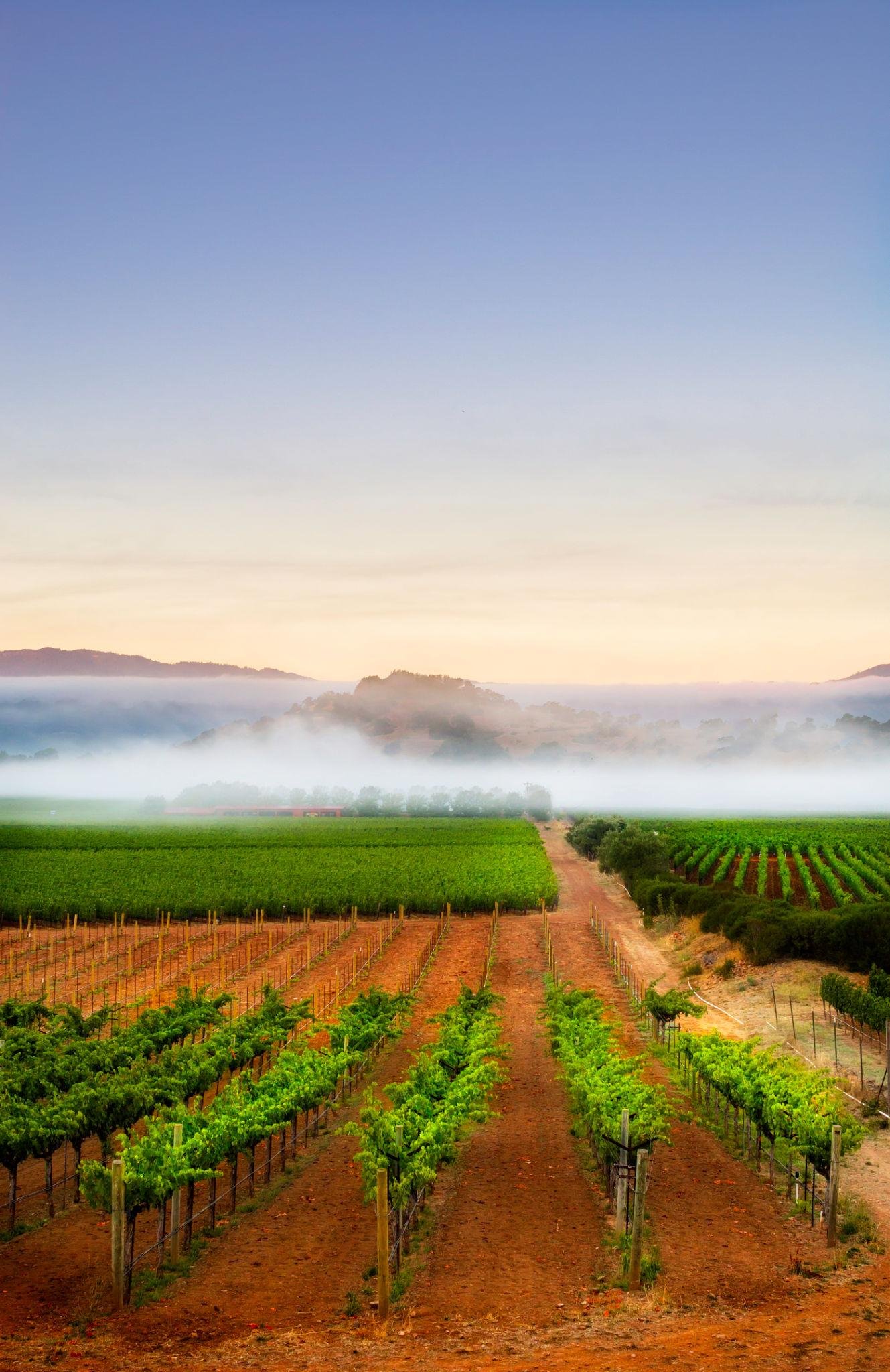
The southern part of Napa Valley sits closest to San Pablo Bay.
Cool marine air and morning fog move inland during the growing season, helping moderate temperatures and slow ripening.
Warmer Conditions in the North
As you travel north through the valley, temperatures gradually become warmer.
These warmer conditions allow grapes such as Cabernet Sauvignon to fully ripen and develop deeper color and structure.
Elevation Matters
Mountain vineyards experience cooler nighttime temperatures and increased sun exposure.
These conditions often produce wines with intense concentration and distinctive character.
A Valley of Diversity
Because of these natural variations, Napa Valley is capable of producing an extraordinary range of wines.
Each vineyard site tells a slightly different story about the land, the climate, and the growing season that shaped it.